


Healthy News to Use: October is Breast Cancer Awareness Month
Sponsored by Kern Family Health Care
by KCFM
Sponsored by Kern Family Health Care
by KCFM
Oct 01, 2026

Experts agree that everyday lifestyle choices can play a meaningful role in lowering breast cancer risk. The National Cancer Institute notes that staying active, maintaining a healthy weight, limiting alcohol, and eating nutrient‑rich foods — including cruciferous vegetables — all support long‑term breast health and complement regular screening.
1. Stay physically active
Regular movement supports overall health and can help lower breast cancer risk. Even simple activities — walking, gardening, or playing with kids — contribute to healthier hormone balance and reduced inflammation.
2. Eat cruciferous vegetables
Broccoli, cauliflower, Brussels sprouts, cabbage, and kale contain natural compounds that help the body process estrogen in a healthier way. Including these veggies a few times a week may support long‑term breast health.
3. Maintain a healthy weight
Extra body fat, especially after menopause, can raise estrogen levels. Small, steady habits like staying active and choosing nutrient‑dense foods can help keep weight in a healthy range.
4. Limiting alcohol
Alcohol is one of the clearest lifestyle‑related risk factors for breast cancer. Choosing alcohol‑free days or low‑alcohol alternatives can help reduce overall exposure.
Does Pickle Juice Really Help Muscle Cramps?
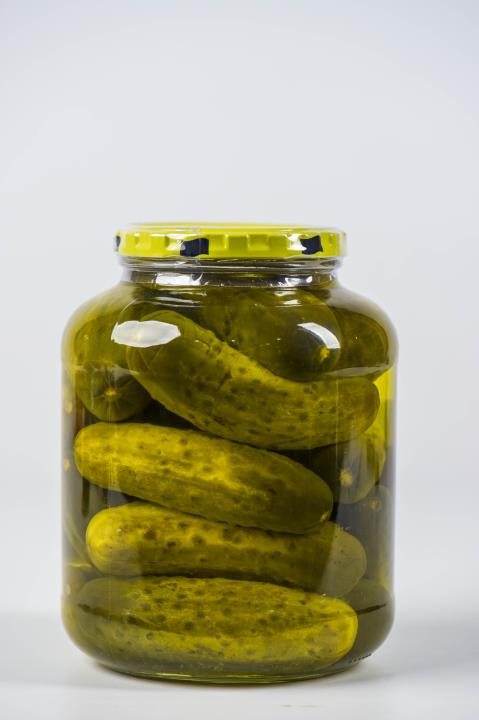
Experts like Dr. Jeanne Doperak of the University of Pittsburgh Medical Center say pickle juice doesn’t work by hydrating you. Instead, its sharp, salty taste sends a quick signal through the nervous system that helps calm the overactive nerves causing the cramp. Sports nutritionist Nicole Lund of NYU Langone Health notes the effect can happen fast — sometimes even swishing a small amount helps. Some athletes use yellow mustard for the same reason.
Still, pickle juice isn’t a cure‑all. If a cramp is caused by dehydration or low electrolytes, water and sports drinks are the better fix. Pickle juice is best for stopping a cramp that’s already happening, not preventing one.
For active families, the basics still matter most: drink water regularly, use electrolytes during long activities, and keep up good nutrition.
And for everyday use? Pickle juice is fine in small amounts, but it’s high in sodium, so it’s not something to sip often.
Grandparenting May Help Keep the Brain Sharp

The study, featured in Psychology and Aging, followed 2,887 grandparents in England age 50 and older between 2016 and 2022. Researchers found that grandparents who helped care for their grandchildren scored higher on memory and verbal‑fluency tests than those who weren’t involved in childcare. The findings were especially notable for grandmothers, who showed less cognitive decline over time when they played an active role in caring for grandkids.
Caregiving in the study included everything from babysitting and helping with homework to preparing meals, driving children to activities, and simply spending time playing together. Interestingly, the benefits weren’t tied to how often grandparents provided care or which activities they did. Instead, the positive effects appeared linked to being engaged and involved — offering mental stimulation that supports healthy brain function.
Researchers also noted that family dynamics matter. Caregiving that feels voluntary and supported may offer different benefits than caregiving that feels stressful or overwhelming.
The study, “Grandparents’ Cognition and Caring for Grandchildren,” was published by the American Psychological Association in 2026.
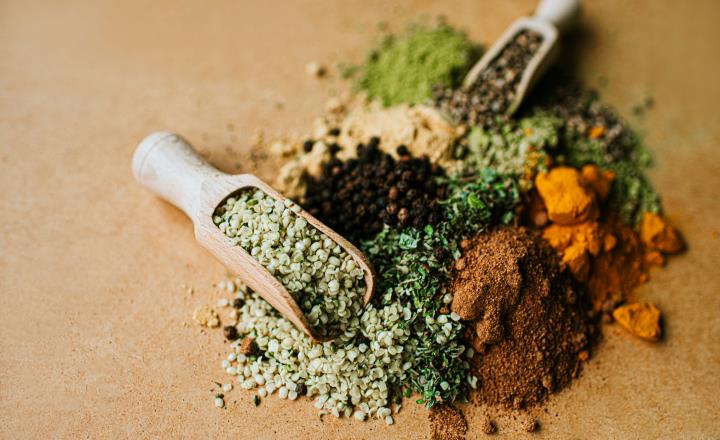
Adding a small blend of spices to your meals may do more than boost flavor. Research from Penn State University found that about 6 grams of mixed spices — roughly a teaspoon — can help reduce inflammation after eating. The study showed that spices like turmeric, ginger, cinnamon, garlic, black pepper, and paprika contain natural antioxidants that work even better when combined.
Penn State researchers noted that the benefit comes from the spices’ ability to create a gentle, synergistic effect in the body, helping calm the normal inflammatory response that happens after meals. It’s not a medical treatment, but it’s an easy, everyday way to support overall wellness.
In short, a teaspoon of mixed spices may offer a small but meaningful health boost — and make dinner taste better, too.
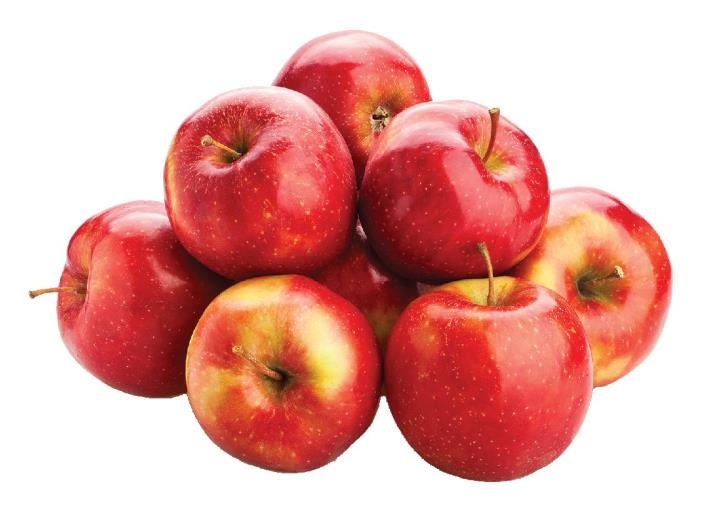
October is peak apple season, making it the perfect time to enjoy this “spook‑tacular” superfruit. According to the U.S. Apple Association, apples are one of the highest‑fiber fruits, packed with antioxidants that support heart and gut health. Their natural sweetness makes them a festive fall treat — no tricks required.
Whether you’re slicing them for a harvest‑time snack, tucking them into lunchboxes, or pairing them with a cozy autumn recipe, apples deliver nutrition that’s anything but scary. A crisp apple a day adds seasonal flavor and a healthy lift to your Halloween month — thanks to their frightfully good fiber.

A panic attack can feel overwhelming, but slowing your breath is one of the simplest ways to help your mind settle. Many people find it grounding to focus on what they can see, hear, or touch around them while easing into a steady breathing rhythm. One gentle technique is the 4‑4 breathing method: inhale through your nose for a count of four, then exhale through your mouth for a count of four. Repeating this pattern for a minute or two can help your body shift out of the panic response.
The Anxiety & Depression Association of America notes that paced breathing and grounding strategies like these are commonly used to help people navigate moments of acute anxiety. If panic attacks happen often or feel difficult to manage, reaching out to a healthcare professional can provide additional support.
Healthy News to Use sponsored by Kern Family Health Care
......