

Healthy News to Use: Family Care — Nutrition, Hormones & Wellness
Sponsored by Kern Family Health Care
by KCFM
Sponsored by Kern Family Health Care
by KCFM
Aug 27, 2026

Hormones like estrogen, progesterone, and testosterone shift throughout a woman’s life, and one major transition is perimenopause—the years leading up to menopause when hormone levels begin to decline and symptoms become more noticeable.
According to the U.S. Office on Women’s Health, perimenopause is the natural phase before menopause when the ovaries gradually produce less estrogen and progesterone. It often begins in the 40s (sometimes earlier) and can last 4 to 10 years, ending when a woman has gone 12 consecutive months without a period.
The Mayo Clinic notes that symptoms vary widely and may include:
- Irregular periods: Changes in timing, flow, and cycle length as ovulation becomes unpredictable.
- Hot flashes: Common and variable in intensity and frequency.
- Sleep disruptions: Sometimes paired with night sweats.
- Mood changes: Irritability, anxiety, or depression may increase.
- Vaginal and bladder changes: Lower estrogen can cause dryness, discomfort during intercourse, burning with urination, and higher risk of infections.
- Shifts in sexual desire: Libido may increase or decrease.
- Bone loss: Reduced hormones accelerate bone density decline.
- Digestive changes: Altered food tolerance or bowel habits.
- Cholesterol changes: Less estrogen can raise LDL and lower HDL, increasing heart disease risk.
The Cleveland Clinic says diagnosis is typically based on age and symptoms because hormone levels fluctuate. However, testing FSH (follicle-stimulating hormone) can sometimes indicate the transition—consistently high FSH suggests nearing menopause.
Some women manage symptoms on their own, while others consult healthcare providers about lifestyle changes, medications, or hormone therapies.
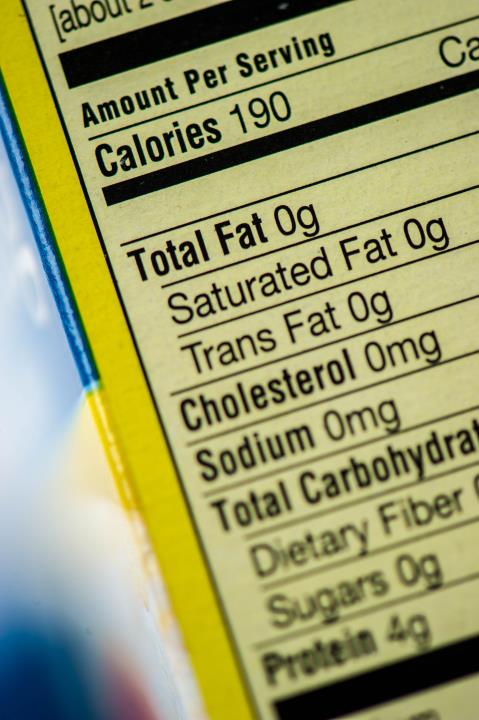
Nutritious food is essential, and ingredient transparency matters more than ever. ProVeg International reports that 62% of people pay more attention to ingredient lists than they did five years ago, and nearly two-thirds of adults say ingredients moderately influence their purchases.
Food labels offer valuable insight into what you’re eating at home. According to the U.S. Food & Drug Administration, here’s how to read the Nutrition Facts Label:
- Servings per container: Shows how many servings the package contains.
- Serving size: Indicates the amount that counts as one serving, measured in cups, grams, ounces, or pieces.
- Calories: Lists calories per serving. Nutrition guidance typically uses a 2,000‑calorie daily baseline, though needs vary by age, sex, height, weight, and activity level.
- % Daily Value: Shows how much of each nutrient contributes to daily recommendations. 5% DV or less is low; 20% DV or more is high.
Many older adults fall short on key nutrients. Labels can help them choose foods rich in fiber, calcium, vitamin D, and potassium, while limiting saturated fat, sodium, and added sugars. Food labels empower seniors—and everyone—to make informed, healthier choices.
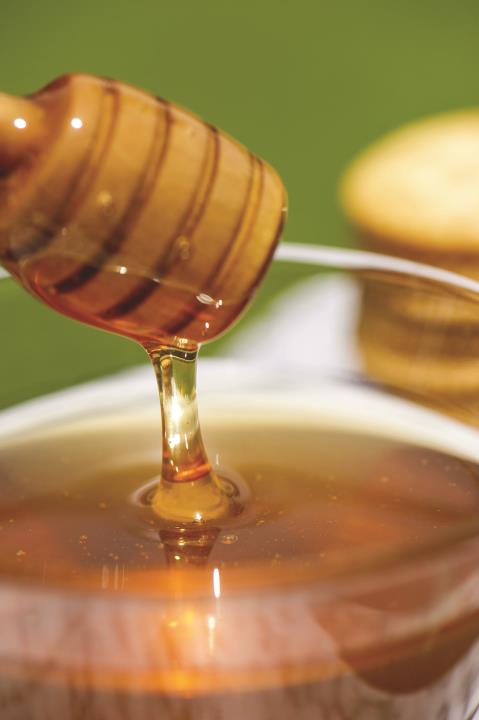
Seasonal allergies peak in spring and fall, leading many to try natural remedies like raw, local honey. The idea comes from immunotherapy, which exposes the body to small amounts of an allergen over time. Because raw honey contains trace local pollen, some believe it can help desensitize the immune system, a concept the American College of Allergy, Asthma & Immunology says mirrors allergy shots.
Experts note a major flaw: seasonal allergies are caused by windborne pollens from trees, grasses, and weeds—not the bright, flowering plants bees visit. As a result, local honey usually doesn’t contain the allergens that trigger symptoms.
A double‑blind University of Connecticut study found no significant allergy relief from raw honey, commercial honey, or a honey‑flavored placebo.
Some research shows honey may help under specific conditions:
- A Malaysian trial (Annals of Saudi Medicine) found high‑dose honey plus an antihistamine improved allergic rhinitis.
- A 2011 study (International Archives of Allergy and Immunology) reported birch‑pollen‑enriched honey reduced symptoms by 60% and severe symptom days by 70%.
Overall, honey’s effectiveness varies, and it may or may not help. For dependable relief, allergists remain the best resource.
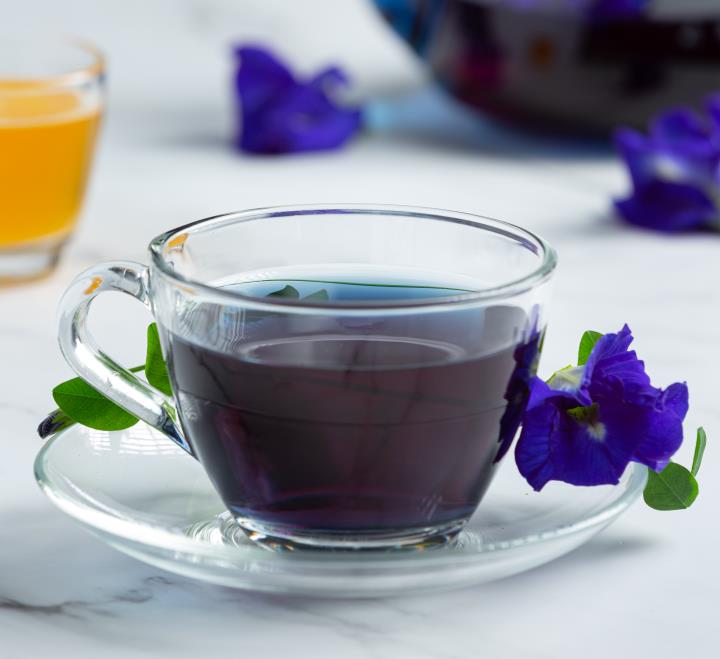
Blue butterfly pea flower powder, prized for its vivid color and antioxidant profile, is gaining attention in both culinary and wellness spaces. Made from the dried petals of Clitoria ternatea, the powder is caffeine‑free and known for its dramatic shift from blue to purple when mixed with acidic ingredients like lemon. While research is still emerging, several potential benefits and cautions have been identified.
Benefits:
- High in antioxidants: Contains anthocyanins and flavonoids that help combat free radical damage.
- May lower inflammation: Early studies suggest it could help reduce chronic inflammation.
- Supports brain health: Traditionally used to aid memory and protect nerve function.
- Helps regulate blood sugar: Some research shows reduced post‑meal glucose and insulin spikes.
- Promotes skin and hair health: Antioxidants may support skin hydration and hair follicle strength
Risks and Side Effects:
- Generally safe in small amounts: Typical culinary use is well tolerated.
- Digestive discomfort: Large quantities may cause nausea, stomach pain, or diarrhea.
- Blood pressure concerns: May lower blood pressure, posing risks for those on antihypertensive medication.
- Pregnancy and nursing caution: Limited research suggests potential uterine effects; avoidance is recommended.
- Medication interactions: May interact with blood thinners or diabetes medications.
Learn more at https://www.healthline.com/nutrition/butterfly-pea-flower-benefits
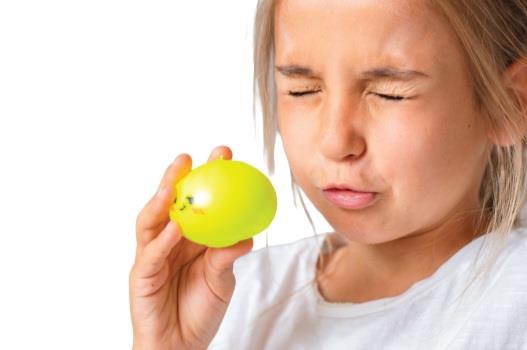
Counterfeit squishy and fidget toys — including fake versions of popular NeeDohs — are flooding online marketplaces, creating serious and often hidden safety hazards for children. Federal officials have intercepted hundreds of thousands of unauthorized units, warning that these knockoffs bypass required testing and can expose kids to toxic chemicals, choking risks and even severe burns.
Safety Risks
- Toxic materials: Counterfeits may contain high levels of lead, restricted phthalates or benzene due to lack of certified lab testing.
- Hazardous fillings: Some fakes are stuffed with unsafe gels, powders or expanding water beads that can cause life‑threatening internal blockages if swallowed.
- Thermal burn danger: Viral videos show people microwaving squishy toys. Fake versions can superheat, explode and adhere hot chemicals to the skin, causing severe burns.
- Choking hazards: Poor‑quality outer skins tear easily, releasing small parts or toxic contents during normal play.
How to Spot and Avoid Counterfeits
- Check the price: Deep discounts compared to major retailers often signal substandard knockoffs.
- Inspect packaging: Blurry printing, misspellings or missing manufacturer and age‑warning labels are common red flags.
- Smell the toy: Strong chemical odors resembling gasoline or paint thinner can indicate unsafe materials.
- Buy securely: Purchase fidget toys from trusted, verified retailers rather than unvetted third‑party sellers.
Learn more at https://www.cpsc.gov/Safety-Education/Safety-Education-Centers/Toys
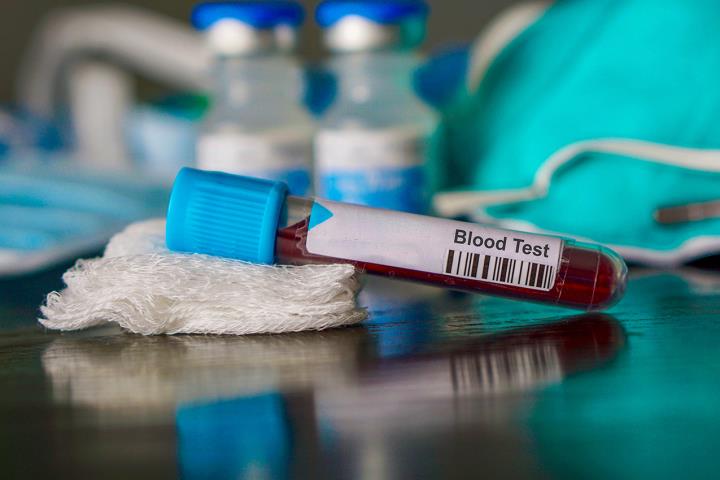
Leukemia and lymphoma are both blood cancers, and Blood Cancer United reports that someone in the U.S. is diagnosed with one of them about every three minutes. Despite their similarities, they affect the body in different ways.
Leukemia: Leukemia begins in the bone marrow and enters the bloodstream, making it a “liquid” cancer. It occurs when the marrow produces abnormal white blood cells that crowd out healthy ones. The UCLA David Geffen School of Medicine identifies four main types—two acute and two chronic. Acute leukemias grow quickly; chronic forms progress more slowly. According to City of Hope, leukemia is the most common cancer in children.
Lymphoma: Lymphoma develops in the lymphatic system—including lymph nodes, spleen, and thymus—forming solid tumors. The two primary types are Hodgkin lymphoma and the more common non‑Hodgkin lymphoma.
Symptoms: Moffitt Cancer Center notes key differences.
- Leukemia: bruising, bleeding, bone pain, extreme fatigue.
- Lymphoma: swollen lymph nodes (neck, armpits, groin), night sweats, itchy skin, unexplained weight loss, fevers, chronic fatigue.
Most cases are not hereditary and stem from gene mutations that remain poorly understood. If either cancer is suspected, oncologists tailor treatment to the specific type and progression.