
Jul 30, 2026
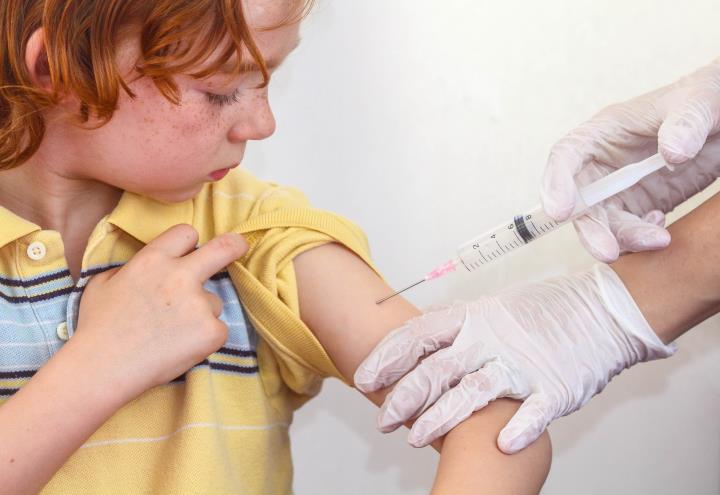
Over the twentieth century and into today, major advances in diagnosing, treating, and preventing disease have transformed public health. Voices for Vaccines notes that vaccines now prevent more diseases than they did even 30 years ago. Yet skepticism has grown. The Center for American Progress reports that since the 2019–2020 school year, kindergarten MMR vaccination rates have fallen below the 95% herd immunity threshold, increasing risk of measles, mumps, and rubella. The Kaiser Family Foundation adds that 39 of 50 states are now below the herd immunity rate for measles.
- Vaccines have saved more than 150 million lives. A 2024 Lancet study estimated 154 million lives saved globally from 1974–2024, with 95% of those lives being children under age five.
- Vaccines provide lifelong protection. A 2024 CDC report found that among 117 million U.S. children born between 1994–2023, routine vaccination will prevent 508 million illnesses, 32 million hospitalizations, and one million deaths over their lifetimes.
- Vaccines save money. The same CDC report estimated $540 billion in direct medical savings. A 2014 Pediatrics study found that every $1 spent on childhood vaccination saves $3 in direct medical costs.
- Vaccines undergo rigorous testing. Voices for Vaccines notes they are among the most thoroughly tested medical interventions, requiring multi‑phase clinical trials before FDA review and approval.
Though skepticism has risen, immunization remains a cornerstone of public health and one of the most effective tools for reducing disease now and in the future.
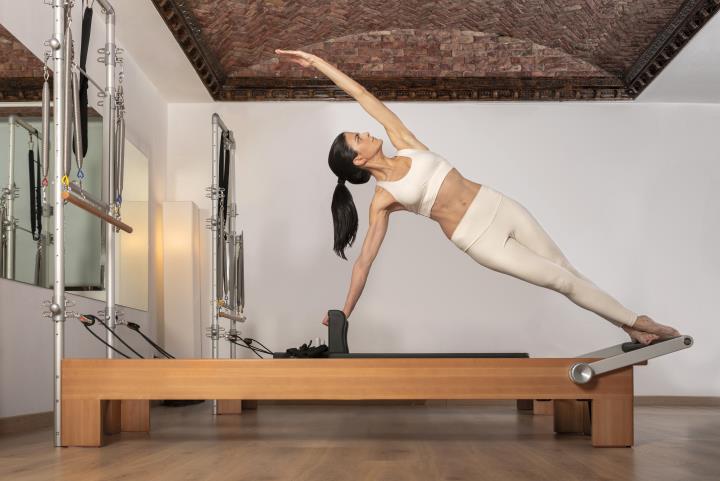
Adults have countless ways to stay active, from gym workouts to daily cycling or jogging. Among those options, Pilates stands out for its unique history and wide-ranging benefits. Created by German-born Joseph Pilates during his World War I internment on the Isle of Man, the method evolved from his early experiments into the globally practiced discipline known today. Its popularity continues to grow, thanks to the many rewards Pilates offers.
- Back pain relief: The Hospital for Special Surgery reports that Pilates’ core‑focused training stabilizes the back and eases lower back pain. The Cleveland Clinic adds that weak core muscles contribute to lower back discomfort, making Pilates an effective strength‑based option for relief.
- Improved flexibility: Pilates’ stretching‑based movements enhance flexibility. The Cleveland Clinic notes that increased flexibility lowers injury risk by reducing susceptibility to strains and pulls.
- Better balance: Pilates strengthens the lower back, hips, and abdominal muscles to create a stable center for balance. UCLA Health reports balance begins declining around age 50; maintaining it reduces fall risk and supports independence.
- Greater body awareness: The Cleveland Clinic highlights Pilates’ emphasis on breath and mindful movement, helping individuals notice weaknesses or early strain. This awareness reduces injuries and supports long‑term physical activity, protecting against sedentary lifestyle risks.
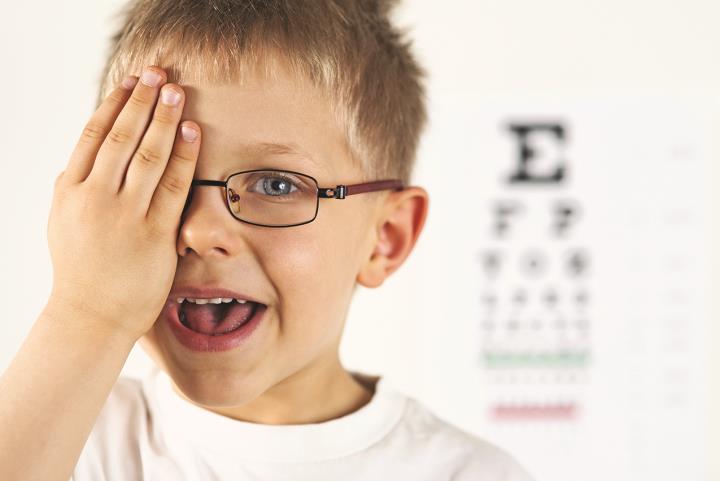
Vision loss is often associated with aging, but children can experience issues that affect how they see and learn. Many kids, especially those too young to explain what’s wrong, struggle with low vision or other impairments without parents realizing it. The Mayo Clinic notes that behaviors like squinting while reading or holding materials very close can be early clues.
Families, caregivers, and teachers can watch for these symptoms:
- Blurriness: Kids may say words in books or on classroom screens look blurry.
- Headaches: Eye strain can trigger frequent headaches, signaling the need for an exam.
- Attention span: Difficulty seeing may cause kids to lose interest in games or longer activities.
- Losing place while reading: Trouble tracking words can indicate a vision issue.
- Eye rubbing: Prevent Blindness reports that rubbing tired eyes, tilting the head, or leaning forward can be signs of vision problems.
- Dizziness: Some children feel dizzy or “off” when their vision is compromised.
- Physical symptoms: Eyes that don’t line up, appear crossed, or show redness or inflammation may point to underlying issues.
- Eye exam results: Automatic refraction tests—often used for children who can’t describe what they see—measure visual acuity by shining light into the eye. Autorefractors help diagnose vision trouble early.
Vision issues in children aren’t always obvious. Learning these symptoms helps families spot concerns sooner and support healthy vision during Children’s Eye Health & Safety Month.
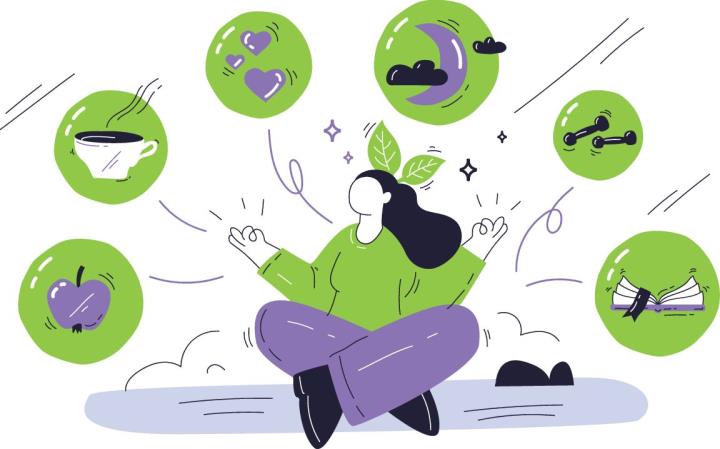
Wellness covers the many ways we care for our minds and bodies. Here are four key areas to focus on:
- Social Wellness — Building healthy, supportive relationships that boost self-esteem, reduce anxiety, and improve overall health.
- Emotional Wellness — Understanding your feelings and responses so you can communicate better and navigate daily challenges with confidence.
- Occupational Wellness — Pursuing work or volunteer opportunities that align with your personal goals, values, and sense of purpose.
- Financial Wellness — Managing money wisely through daily saving habits, using available resources, and setting long-term financial goals.
Small steps in each area add up to a healthier, more balanced life.
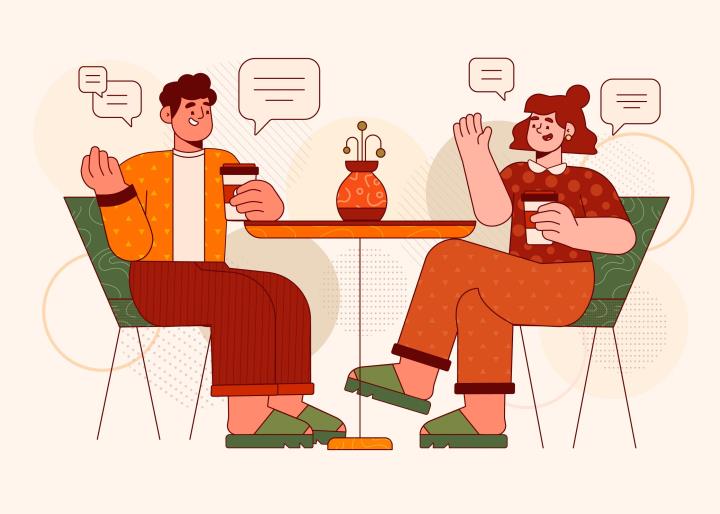
Brief everyday conversations may do more for well-being than many people realize. In a recent study of more than 60,000 adults, people who had more frequent casual interactions—such as greeting, thanking, or chatting with acquaintances and strangers—reported greater life satisfaction. Even quick exchanges can help strengthen social connection and add a small but meaningful boost to the day.
Journal of Social Psychological and Personality Science