


Mar 26, 2026

The adage "laughter is the best medicine" certainly suggests that a good laugh is good for one's health. Although laughter might not mend a broken wrist or eradicate every disease, UCLA Health notes a number of surprising physiological and mental benefits of a good laugh. Here are a handful of ways laughter can impact the mind and body.
· Reduces stress: Laughter significantly lowers levels of cortisol and epinephrine. The Physiological Society says one study found that even a single laughter session can reduce cortisol levels by nearly 37 percent.
· Boosts immunity: Laughing can increase the production of antibodies and activates Natural Killer cells, which help the body fight off viruses and even some tumor cells, indicates Providia Family Medicine.
· Pain relief: By triggering the release of endorphins, which are the body's natural painkillers, laughter can ease pain. The U.S. Department of Veteran's Affairs says patients in clinical trials who watched comedies reported a higher pain tolerance and required less medication than those who did not watch such programming.
· Ease anxiety and depression: Laughter can stimulate the release of dopamine and serotonin. Researchers at Harvard University say that laughter stimulates the reward centers of the brain. This makes a person feel happy in the moment and helps build long-term emotional resilience as well.
· Perspective change: It is hard to feel amused and anxious at the same time. So laughing can provide a change of attitude and perspective. It can also provide a necessary emotional reset.
Laughing may not cure everything that ails a person, but it certainly can provide many health benefits.
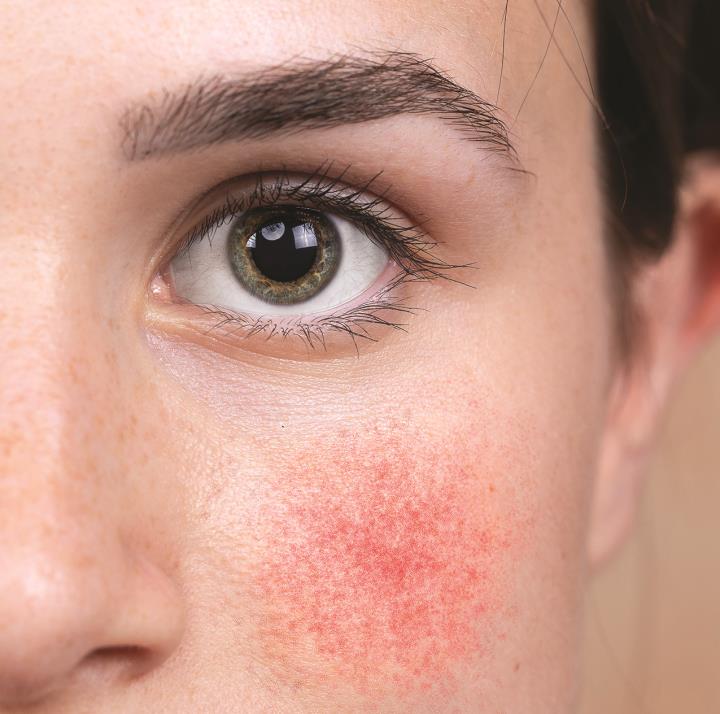
Rosacea is a common skin disorder—affecting roughly 5% of the global population, according to a 2024 Journal of the American Academy of Dermatology study—that occurs when blood vessels in the skin enlarge. Learning its signs can help people seek care sooner.
Signs and Symptoms
- Facial redness: The National Rosacea Society (NRS) reports frequent flushing and persistent erythema. Small visible blood vessels may appear, along with stinging, burning, swelling, roughness, or scaling. In darker skin tones, redness may look brown or purplish.
- Bumps and pimples: Inflammatory rosacea can cause bumps and/or pimples, and some individuals develop raised red plaques.
- Enlarged nose (rhinophyma): Rosacea may lead to rhinophyma—an enlargement of the nose due to excess tissue. The NRS notes this can include thickened skin and irregular surface nodules, sometimes affecting areas beyond the nose.
- Eye irritation: NRS surveys show ocular rosacea affects up to 60% of patients. Symptoms include watery or bloodshot eyes, irritation, burning or stinging, swollen eyelids, styes, and a gritty “something in the eye” sensation.
More information, including treatment options, is available at rosacea.org.

Summer camp gives kids a powerful boost in physical, mental, and social well‑being. Active play, outdoor exploration, and structured routines help improve fitness, coordination, and overall physical health. Camps also encourage kids to unplug, move their bodies, and enjoy fresh air—key ingredients for healthier habits.
Socially, camp environments strengthen confidence, communication, and emotional resilience. Kids practice teamwork, make new friends, and learn to navigate challenges in a supportive setting—skills linked to stronger self‑esteem and long‑term emotional health.
Cognitively, trying new activities and stepping outside familiar routines helps kids build independence, problem‑solving skills, and adaptability, all while reducing stress and boosting overall mood.
In short, summer camp isn’t just fun—it’s a whole‑child wellness experience that supports healthier bodies, stronger minds, and happier kids.
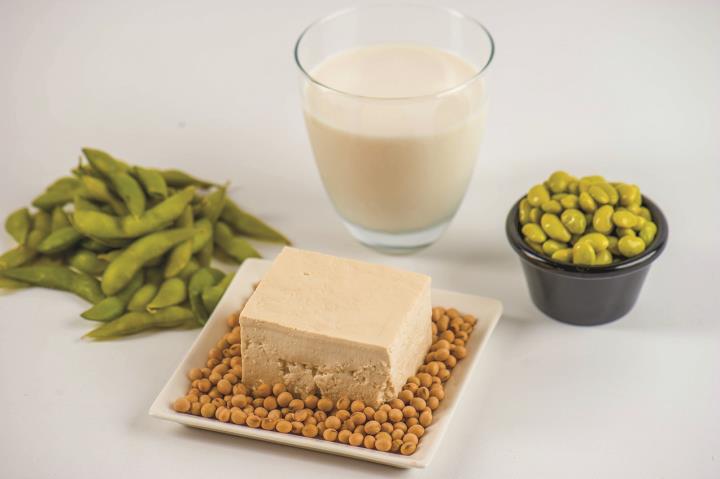
Soy foods can be an important component of a healthy diet. Soy is a nutrient-dense, plant-based protein that is high in fiber, potassium and iron. Because soy is low in saturated fat, it is considered a smarter protein source than animal-based products. For those looking for healthier alternatives to meat or dairy, soy can be a good thing. However, soy has been studied in the past in relation to cancer causation, notably breast cancer due to soy isoflavones that can act as estrogen in the body. Increased estrogen has been linked to certain types of breast cancer. But the American Cancer Society says a large body of evidence supports the safety of soy as part of a healthy diet. In fact, studies have found consuming soy foods is associated with a decreased risk or no change in risk for cancer. Past studies featured mice and rats, which break down isoflavones differently than humans. Also, the doses that elevated breast cancer risk in the rodents were much higher than in studies conducted in people. Human studies have found the estrogen effects of soy seem to have no effect at all and may even reduce breast cancer risk.

>>>