

Feb 23, 2026
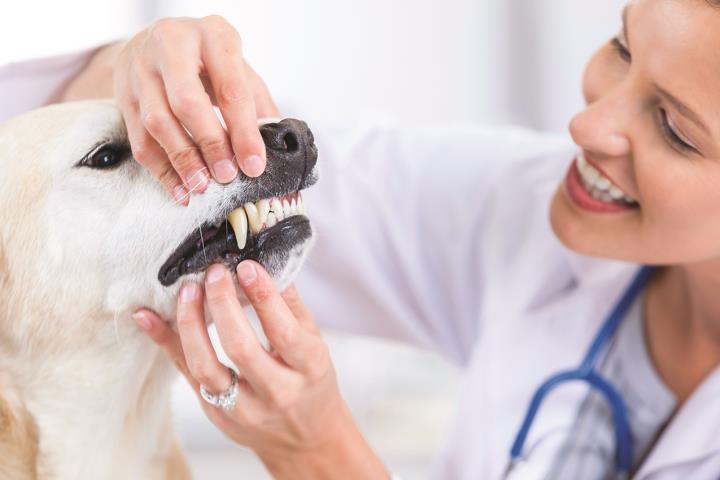
The American Veterinary Dental College says periodontal disease is the most frequent clinical condition in adult dogs and cats. By the age of three, most dogs and cats show some evidence of periodontal disease, underscoring the need for proactive dental care.
Before discussing which issues can contribute to poor oral hygiene in dogs and cats, it's important to point out that the dangers of dental issues extend beyond the mouth. Anaerobic bacteria thriving in gum pockets can cause the gums to become inflamed and tissue to deteriorate. As a result, bacteria can gain direct access to the pet's bloodstream through damaged tissues, says the AVDC. Data consistently shows a correlation between oral bacteria and changes in the heart, liver, and kidneys. For example, chronic infection contributes to atherosclerosis, increasing the risk of cardiac issues in dogs.
Certain factors can contribute to poor pet dental health. It is best to discuss concerns with a veterinarian before making any changes to pet care. However, these factors may accelerate dental deterioration.
· Diet: A diet that is soft, canned, or moisture-rich can provide less abrasive action to help clean the pet's teeth. Opting for harder foods can naturally clean the teeth during eating, and vets may suggest a specialized dental kibble to help even more.
· Breed: Certain breeds are prone to various health issues. Small breeds like Yorkshire Terriers, Poodles, Pomeranians, and Maltese are genetically predisposed to dental crowding and premature periodontal diseases because their mouths are small, advises PetMD. Their teeth often are full-sized, leading to crowding, misalignment, and trapping of food debris and bacteria.
· Brushing: A lack of home care is the single biggest factor in the deterioration of pets' dental health. Pets may not have their teeth brushed daily, leading to the rapid calcification of plaque. Various veterinary studies point to brushing a pet's teeth each day as an effective way to prevent plaque buildup. Furthermore, because it must be done under anesthesia, which can be costly, some pet owners do not have their pets' teeth professionally cleaned by a vet.
Pet dental care is an important component of pet ownership. Dental diseases can develop and affect the mouth and other areas of the body.